Teaching phonics in 2nd grade comes with its own unique set of challenges. By now, your students have a solid foundation, but there are still plenty of skills to reinforce—digraphs, blends, and decoding strategies, just to name a few. That’s where 2nd grade phonics task boxes can make a big difference.
If your phonics block is starting to feel a little stale (for you and your students), or your small group time is constantly interrupted, task boxes filled with hands-on resources like task cards might be just what you need. They bring structure, engagement, and flexibility into your literacy block—without adding to your prep load.
Today, I’m diving into exactly how phonics task cards can support your instruction—and I am spotlighting a seasonal resource that’s perfect for your February task box rotation.
Let’s be honest: even the most thoughtfully planned phonics curriculum can start to feel repetitive—for both teachers and students. You introduce a skill, model it, practice it… and then repeat the process with the next skill. Over time, it can feel like you’re running on autopilot, especially when engagement starts to dip.
And when students tune out or disengage, that’s when things start to unravel. Suddenly, your small group time is getting interrupted, behavior issues pop up in centers, and your go-to resources just aren’t cutting it anymore.
Here are some of the most common (and frustrating!) challenges 2nd-grade teachers face when it comes to phonics instruction:
Teachers often find themselves cycling through the same types of activities week after week. Students start to anticipate what’s coming next—and not in a good way. Without fresh ways to apply their phonics skills, they lose interest quickly.
There’s rarely enough time in the day to give each student what they need—especially when it comes to reading instruction. Trying to prep and manage multiple differentiated activities can feel impossible, especially during the busiest times of the year.
Phonics centers should be productive and independent… but that’s not always the reality. Without structured, predictable activities, students may become off-task, ask for help constantly, or lose focus—causing you to stop what you’re doing to intervene.
Even when students can decode words on a spelling list, they often struggle to apply those same skills in context. Moving from isolated practice to authentic application is a huge hurdle—and one that’s often overlooked in traditional phonics routines.
Between planning, printing, laminating, cutting, organizing, and storing materials, phonics prep can eat up way too much of your planning time. Especially during holidays or testing season, keeping up with center rotations can feel like an extra full-time job.
Many phonics activities don’t give you clear feedback on how well students are really mastering the skills. Without consistent check-ins or visible data, it’s hard to know who’s progressing and who’s falling behind until it shows up on a test.
Sometimes you just need a reliable, plug-and-play activity you can use in more than one setting. Whether it’s for early finishers, take-home practice, or a quick small group warm-up, having flexible phonics tasks on hand is a game-changer
These aren’t small issues—they impact not only your effectiveness as a teacher but also how confident and successful your students feel during phonics instruction. The good news? These are exactly the kinds of challenges task cards and task boxes were designed to solve
This is where task cards and task boxes shine. They offer the structure you need with the flexibility your classroom demands. Whether you’re targeting specific phonics skills or just need something ready to go, task cards let you reinforce learning without the stress.
They’re also a teacher’s favorite because they work across settings:
➡️ Centers
➡️ Independent practice
➡️ Small group instruction
➡️ Early finisher tubs
➡️ Homework packets
And the best part? You can easily tailor them to your scope and sequence while keeping students engaged.
If you’re looking to add themed, skill-focused resources to your task box rotation, you’ll want to check out the Valentine’s Digraph Word Activities. This resource was designed with real classroom needs in mind—and it checks every box for both engagement and effectiveness.
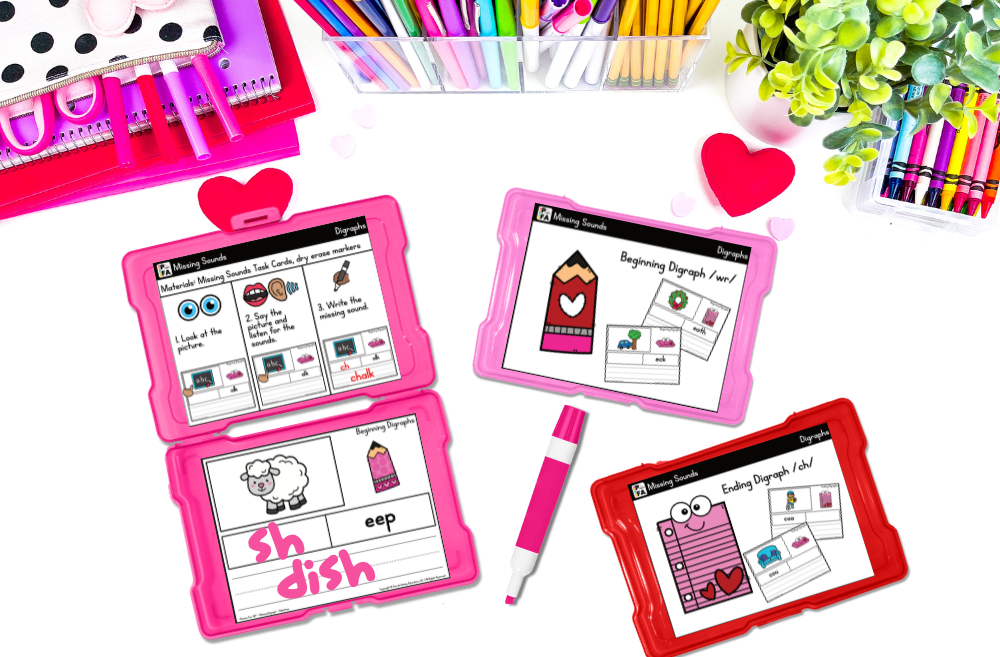
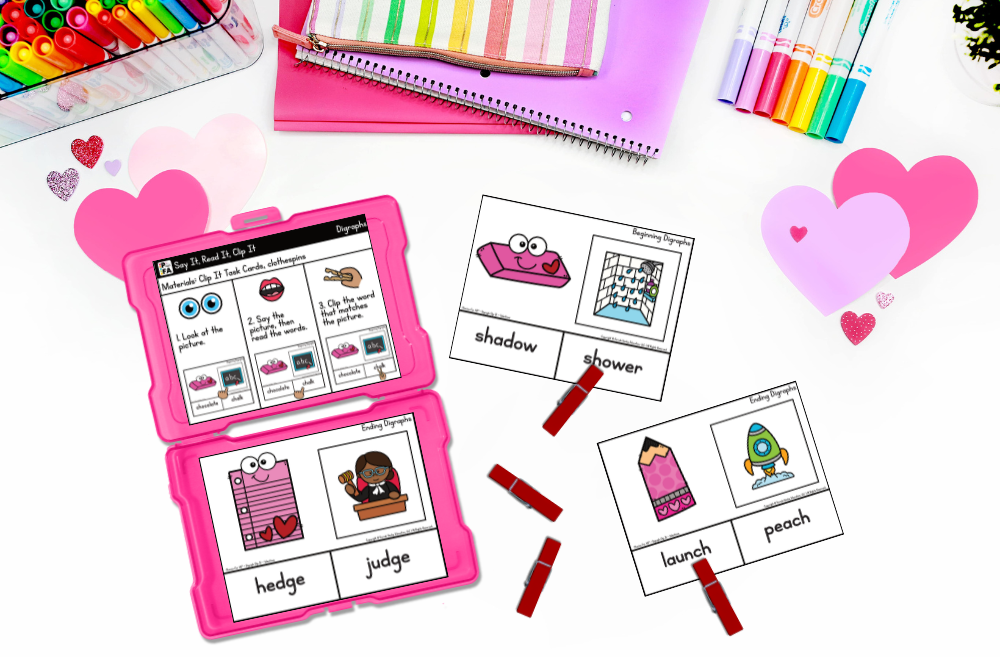
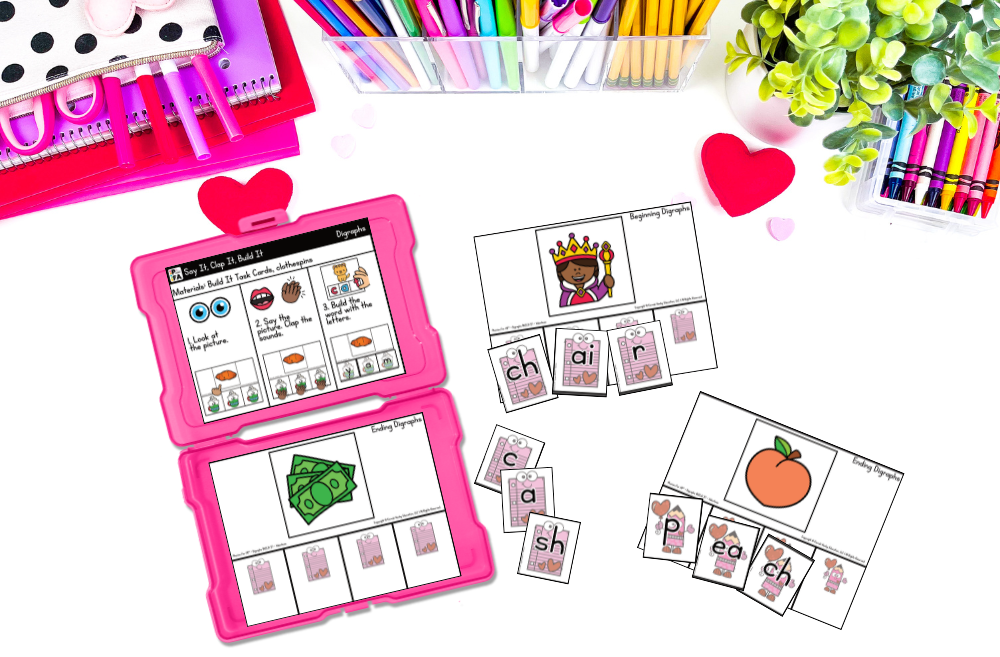
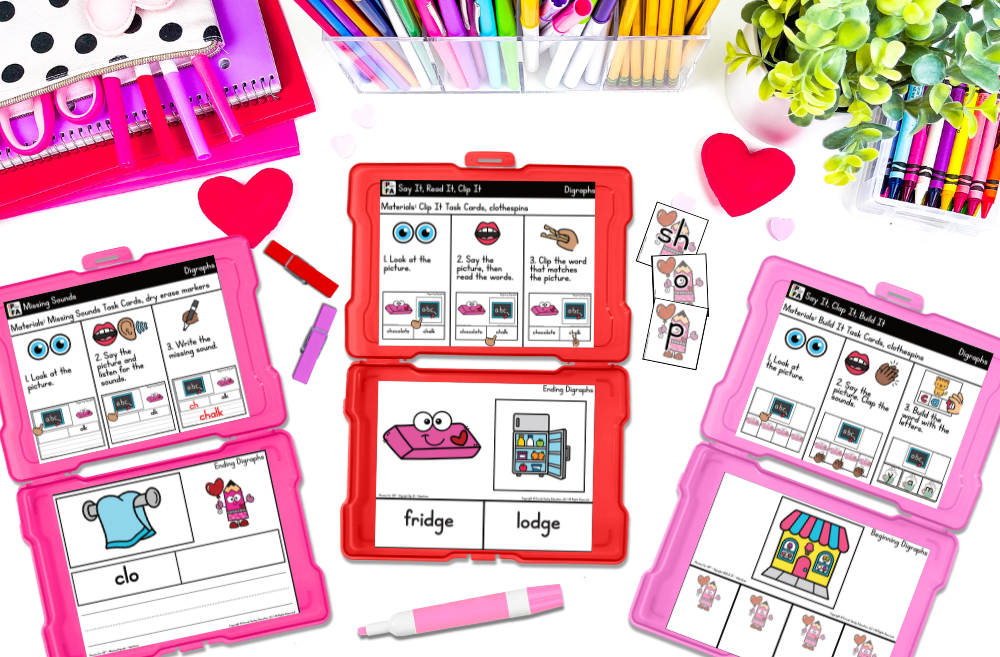
Whether you’re focusing on /ch/, /sh/, or /th/ sounds, these activities help students apply what they’ve learned in a fresh and seasonal way.
“My phonics centers were always the hardest to manage—these task cards made it so much smoother. My students actually look forward to them!”

2nd Grade Reading
You can grab the Valentine’s Digraph Word Activities right now in the resource shop. They are ready to print, prep (fast and minimal), and add to your February phonics centers. We even have them for other months, or you can save and grab the bundle.
Phonics doesn’t have to feel overwhelming—or boring. With the right tools in place, you can deliver effective instruction, keep students engaged, and lighten your planning load.
The Valentine’s Digraph Word Activities task cards are an easy win for your February literacy centers, and they fit right into any 2nd-grade phonics task box.
Q: Can I use these task cards outside of February?
A: Absolutely. While they have a Valentine’s theme, the digraph practice is relevant any time you’re reviewing those skills.
Q: Are these activities appropriate for struggling readers or intervention groups?
A: Yes! The format is easy to scaffold, making it ideal for differentiation across tiers.
Q: How do I store the task cards in my classroom?
A: Many teachers use photo boxes, pencil pouches, or labeled drawers to keep sets organized and accessible for students.
Q: Can these be used digitally?
A: This particular resource is designed for print use, but it complements digital phonics activities beautifully if you use a blended approach.
Want more no-stress phonics solutions? Download my Phonics for All™ Phonics Toolkit, a free resource packed with printable tools and templates for your literacy block. It pairs perfectly with your task boxes and makes planning even easier.




Are you looking for something specific? Need a particular product or help with a teaching strategy? You are in the right place!